Indie games rarely compete on cutting-edge graphics or blockbuster budgets. Instead, they shine through originality, atmosphere, and mechanics. That’s exactly what brought me to Inscryption, a genre-bending deck-builder developed by Daniel Mullins Games and published by Devolver Digital. After spending over 10 hours exploring its mysteries, defeating bosses, and uncovering its secrets, here’s my full Inscryption Review.
Choose Your Path, Embrace the Unknown
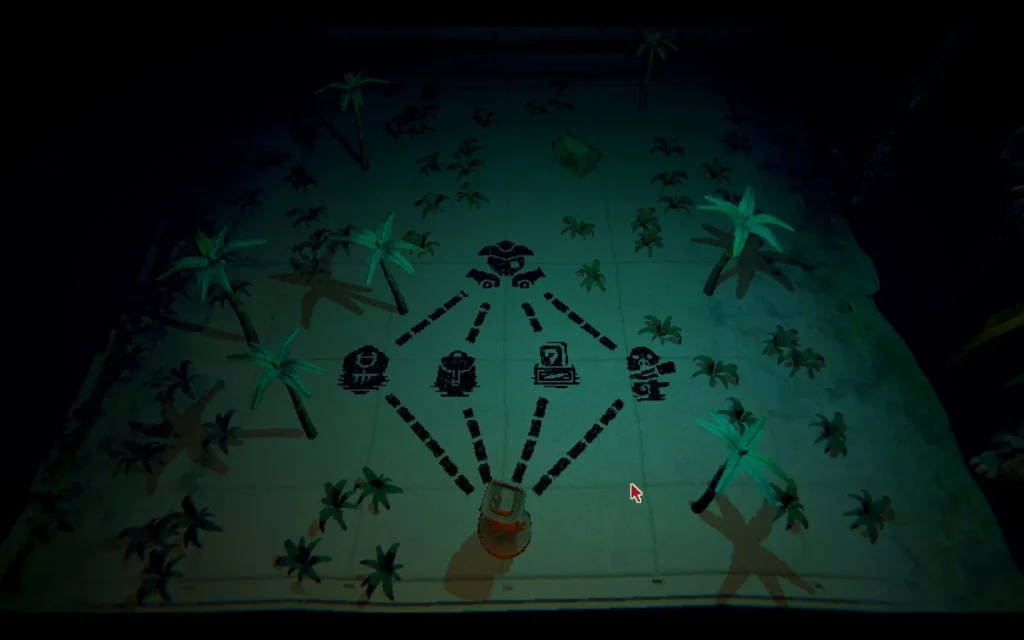
At first glance, Inscryption feels like a familiar rogue-like card game. You navigate a branching map filled with battles, upgrades, and strange encounters. Your mission? Survive long enough to face the final boss.
Combat takes place on a board divided into three horizontal rows. Cards represent both attack and defense; every point of unblocked damage adds a tooth to your side of a scale. The first to tip it by five wins. Simple, right? Not quite.
Each turn begins with a choice: draw from your deck or sacrifice. Blood becomes the main resource—you’ll need to kill weaker cards (usually squirrels) to summon stronger creatures. Over time, bones enter the equation, letting you play special cards after enough sacrifices. This balance of risk and reward defines every move.
Deckbuilding and Sacrifice: The Core Mechanics
Every card in Inscryption comes with attack points, health, and special abilities. These traits can be modified, upgraded, or transferred at specific events. Want a flying Rat King? Perform a ritual that combines one card’s ability with another. The system is simple but surprisingly deep.
Campfire upgrades let you boost attack or health—but beware, there’s a chance your card gets eaten instead. These small, high-stakes decisions keep tension high throughout your run.
What Makes Inscryption Special
Beyond the cards, Inscryption offers systems that make every run unique. Totems allow custom modifiers by combining animal heads with special effects, creating devastating synergies. My personal favorite? Flying squirrels that return to your hand after death. Initially, I dismissed it—later, I realized I had an infinite sacrifice engine in my pocket.
And like any rogue-like worth its salt, death is part of the journey. Lose, and you’ll craft a custom card—built from previous abilities and stats—that could flip future runs on their head. These moments of player-driven creativity are where Inscryption truly shines.
Then there are the items: hooks, pliers, scissors. They can turn battles upside down—rip out an enemy tooth to tip the scale, steal a card, or cut an opponent’s unit in half. It’s unsettling and brilliant all at once.
Exploration and Puzzles Between Battles
Between fights, the game lets you roam Leshy’s ominous cabin. Every object hides a secret—locked puzzles, cryptic clues, hidden upgrades. Solve them, and you’ll earn cards, items, or narrative breadcrumbs. These puzzles keep curiosity alive, rewarding players who pay attention to every detail.
And Leshy himself? A masterful dungeon master. His voice, animations, and presence give Inscryption a tone few games achieve—equal parts sinister and fascinating.
Major Twist Ahead (Spoiler Warning!)
If you plan to play, stop reading now. Because Inscryption isn’t the game you think it is. Everything described so far? Just Act One. After the climactic moon fight, the game flips the table—literally.
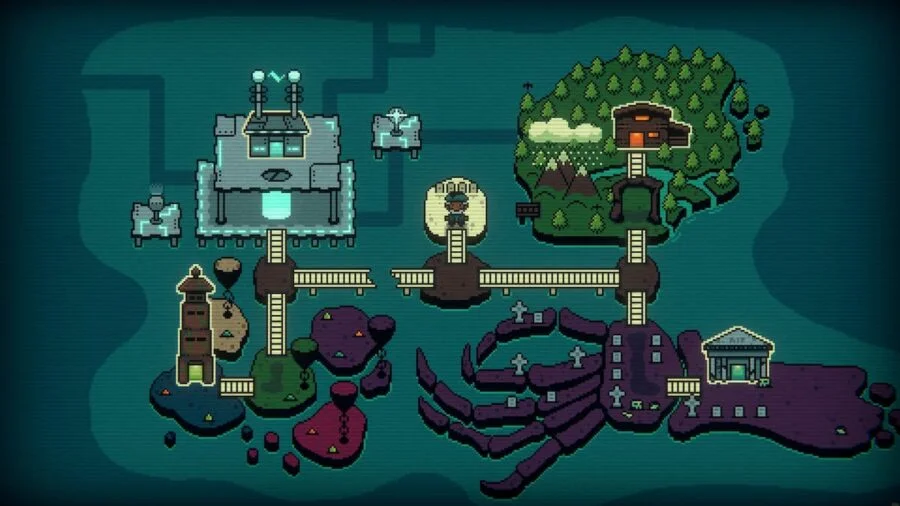
Suddenly, you’re watching found-footage videos of a YouTuber discovering an old floppy disk in the woods. That disk? It contains Inscryption itself. From there, the experience mutates into meta-horror: a pixelated 2D adventure, callbacks to previous mechanics, and even a late-game 3D card duel. It’s bizarre, risky, and utterly brilliant.
Inscryption is a designer’s sleight of hand—selling you one game, then transforming it into something entirely different without breaking immersion. Few titles pull off this level of narrative ambition.
Final Verdict
Inscryption is more than a card game—it’s an experience that toys with your expectations at every turn. It lures you in with accessible mechanics, then drags you through layers of unsettling, genre-defying brilliance. For fans of rogue-likes, puzzles, and games that dare to experiment, Inscryption is a must-play.